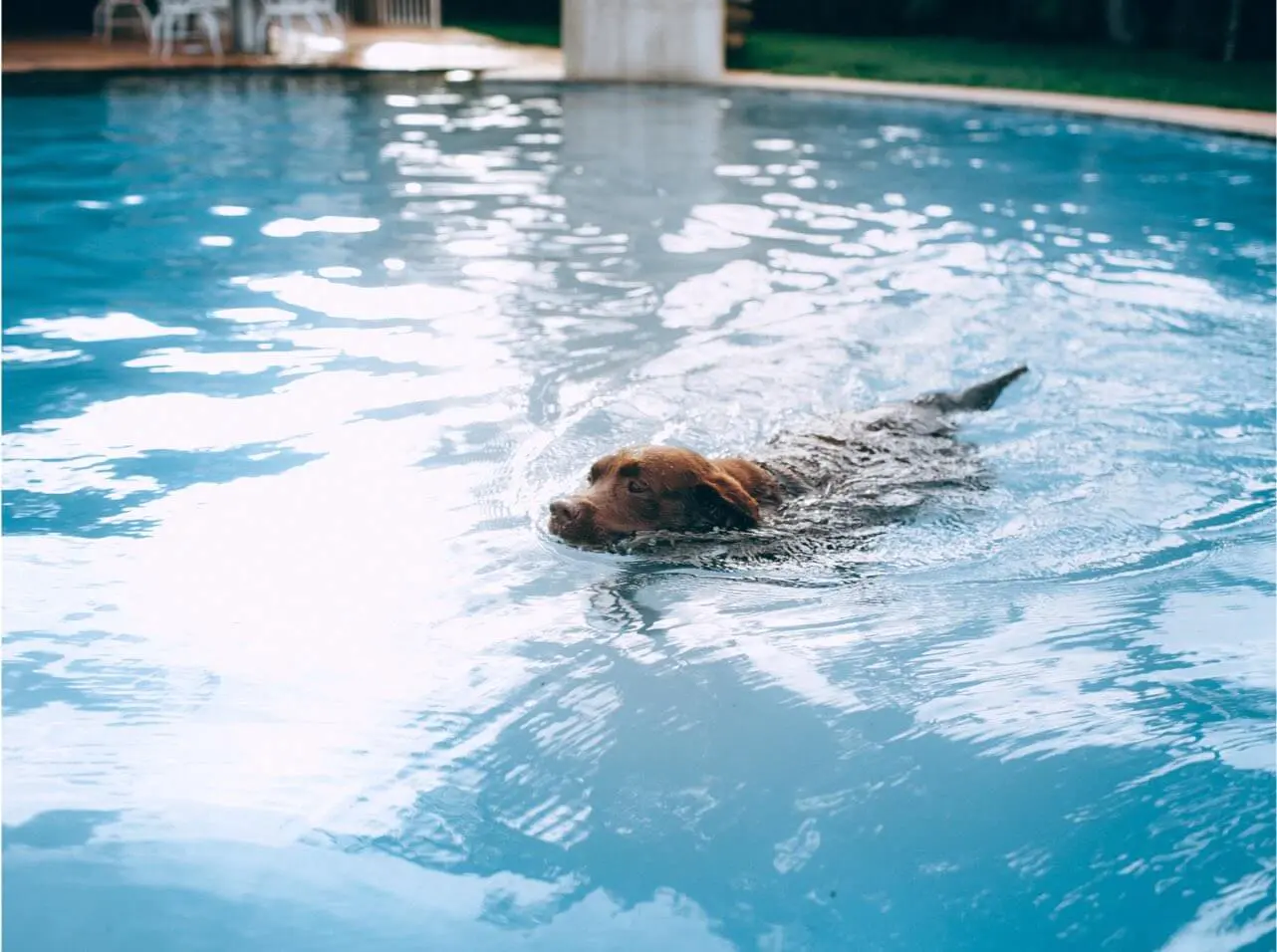
Swimming pools and pets — it sounds like the perfect summer combination. Watching your dog happily splash in the water can be one of the most joyful experiences as a pet parent.
But the real question is:
👉 Is a swimming pool actually safe for your pets?
The answer is yes — but with precautions.
Let’s break it down in a simple, professional, and informative way so you can keep your pets safe while they enjoy the water.
Are Swimming Pools Safe for Pets?
In general, properly maintained swimming pools are safe for pets, especially dogs.
- Pools with balanced chlorine levels are usually safe for swimming
- Most pets can enjoy short swimming sessions without harm
- Swimming can even be a great form of exercise
However, safety depends on how well the pool is maintained and how you manage your pet around it.
👉 Small mistakes can turn a fun activity into a risk.
⚠️ Potential Risks of Swimming Pools for Pets
1. Chlorine & Pool Chemicals
Pool water contains chemicals like chlorine to keep it clean.
- Small exposure is generally safe
- But excessive exposure can cause:
- Skin irritation
- Eye redness
- Dry coat
Dogs are more sensitive than humans, especially in their eyes and ears
👉 High chemical levels or unbalanced water can be harmful.
2. Drinking Pool Water
Many pets treat pools like a giant water bowl — and that’s where problems start.
- Small amounts are usually harmless
- Drinking too much can cause:
- Vomiting
- Diarrhea
- Stomach irritation
👉 In extreme cases, excessive intake may lead to water intoxication or irritation of the digestive system
3. Drowning Risk
Not all pets are natural swimmers.
- Some breeds (like Bulldogs) struggle in water
- Pets can panic if they can’t find an exit
- Fatigue can lead to drowning
👉 Pets should never be left unattended near a pool.
4. Slippery Surfaces & Accidents
Pool areas can be dangerous due to:
- Slippery floors
- Sudden falls
- Lack of grip
Even active pets can slip and injure themselves.
5. Ear Infections & Skin Issues
- Water trapped in ears can cause infections
- Long exposure can irritate skin and paws
Especially common in dogs with floppy ears
🐾 How to Keep Your Pets Safe Around Pools
1. Always Supervise
Treat your pet like a child around water.
- Never leave them alone near a pool
- Stay close during swim time
2. Provide Fresh Drinking Water
Prevent your pet from drinking pool water by:
- Keeping a clean water bowl nearby
- Encouraging proper hydration
3. Rinse After Swimming
After every swim:
- Wash your pet with fresh water
- Remove chlorine and chemicals
This helps prevent:
- Skin irritation
- Dry fur
- Eye discomfort
4. Teach Pool Exit Points
Pets must know how to get out.
- Show them the stairs or ramp
- Practice exit routes
👉 Many pets panic because they can’t find a way out.
5. Use Safety Gear
For extra protection:
- Pet life jackets (especially for beginners)
- Pool fences or covers
6. Limit Swim Time
Too much swimming can:
- Exhaust your pet
- Increase chemical exposure
Short, controlled sessions are best.
7. Keep Chemicals Out of Reach
- Chlorine tablets and chemicals are highly toxic in concentrated form
- Store them safely away from pets
Are Pools Better for Dogs Than Cats?
- Dogs: Generally enjoy swimming and adapt well
- Cats: Usually avoid water and are more sensitive
👉 Cats are less likely to swim, but still need protection around pools.
Final Verdict
Yes — swimming pools can be safe for pets, but only with proper care and supervision.
👉 The key is balance:
- Clean, well-maintained pool
- Controlled swimming time
- Active supervision
When done right, pool time can be:
🐾 Fun
🐾 Healthy
🐾 A great bonding experience
🐾 Pawsome Tip
At Pawsome Collectives, we always recommend putting your pet’s safety first. A little precaution goes a long way in turning pool time into a safe and joyful experience.